Last Updated on 24 February 2026
Analysis | 24–25 February 2026
Last night, amidst the interfaith breaking of fasts at Aso Villa, President Bola Tinubu performed a masterclass in political gaslighting. By vowing to establish State Police, he is not offering a shield to the terrorised farmers of the Middle Belt: he is handing a whip to the 36 governors who act as his regional enforcers.
In the context of Nigeria’s history and the looming 2027 election, this move is nothing short of a declaration of war on the opposition: more importantly, it is a cynical distraction from the only reform that could actually save the federation: true regional autonomy and total resource control.
1. The Ghost of the Local Police
Tinubu’s proposal ignores the blood-soaked lessons of the First Republic: Nigeria once had Native Authority Police local police units that were the primary tools of tribal oppression and electoral thuggery. They were used to silence the “Talakawa”: jail opposition leaders: and ensure the ruling party never lost a local seat.
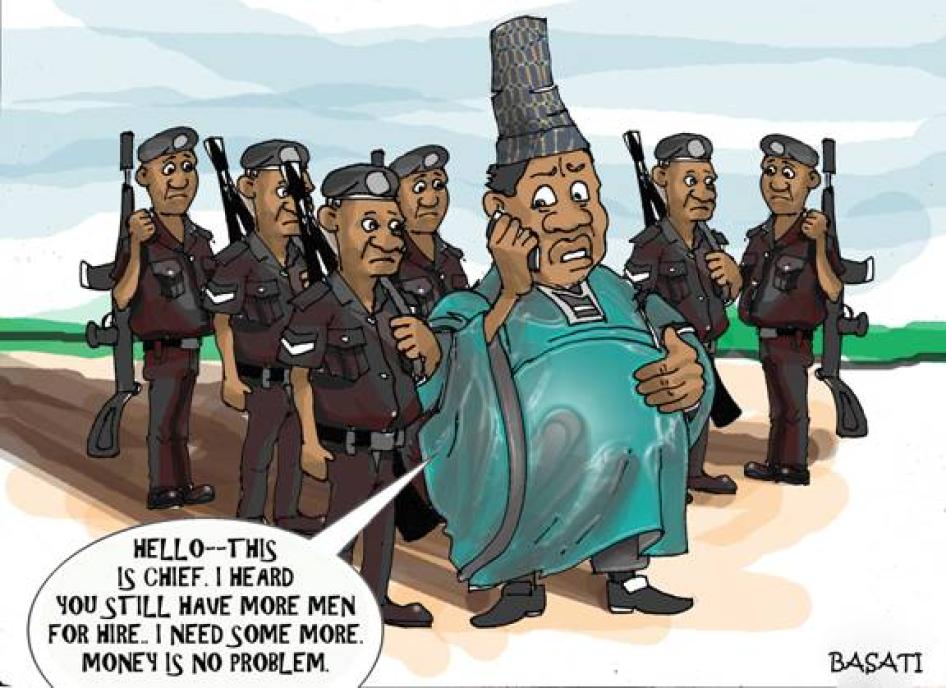
By reviving this under the guise of “practicality”, Tinubu is reaching into the old bag of colonial tricks: he knows that a centralised federal police force is too visible to the international community. But 36 separate state and local police forces: that is a fragmented: deniable machine of domestic suppression.
2. The Rigging Decentralisation Strategy
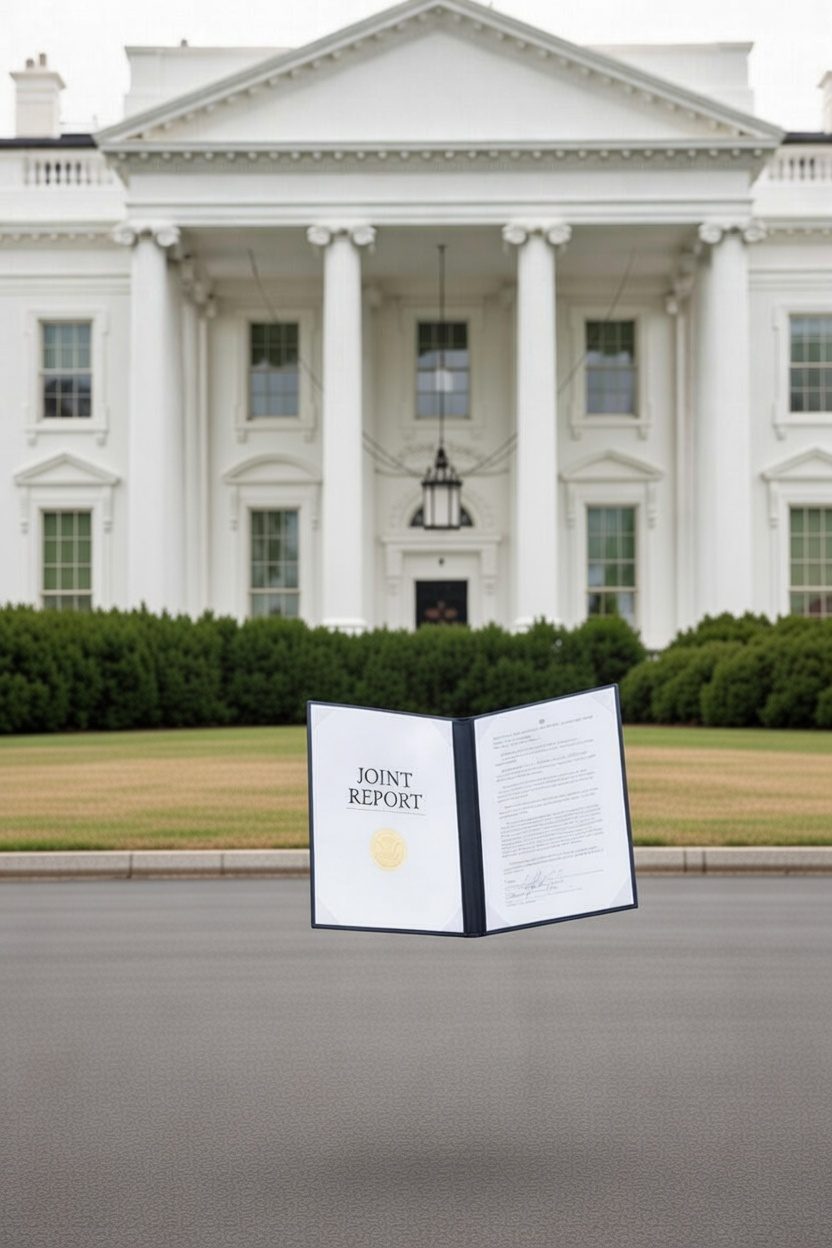
The timing is transparent: with the US House Committees on Appropriations and Foreign Affairs delivering a scathing report on 23 February regarding religious persecution, the presidency is under fire.
- The Obi Threat: Peter Obi and the reformist movement have shown they can win at the grassroots. The APC’s traditional method of rigging using federal police and the army is becoming too diplomatically “expensive”.
- Localised Thuggery: State and local police allow governors to bypass federal scrutiny. When opposition voters are intimidated in 2027, the Presidency can shrug and call it a “local state matter”: it is the ultimate insurance policy for an incumbent who knows the people have moved on.
3. Policing versus Resource Control: The Real Fix
The harsh truth is that you cannot have a functioning “State Police” in a country where the states themselves are financial beggars: Tinubu speaks of security as the “foundation of prosperity”, yet he maintains the very unitary system that keeps states impoverished.
- The Financial Beggar-Thy-Neighbour: States currently rely on “Security Votes” and FAAC allocations from Abuja: a police force funded by a central purse is never truly local: it is a federal paramilitary group on a local leash. Under the current 1999 Constitution (as amended): exclusive control of minerals by the federal government is precisely what keeps states financially dependent: this legal framework makes Tinubu’s proposal premature: it puts the cart before the horse.
- Resource Control as a Security Blueprint: For security to be organic, Nigeria requires total resource control: if the Niger Delta, Middle Belt, and North-West controlled their own minerals and revenues, they could afford professional: accountable local and state police architectures. Local communities would fund: oversee: and guide security services that actually protect citizens instead of serving partisan agendas.
In regions like Plateau, Kaduna, and Benue, local resource autonomy could enable:
- Community funded rapid response units
- Conflict resolution mechanisms between herders and farmers
- Protection of religious and ethnic minorities without reliance on federal or partisan forces
- Breaking the Political Monopoly: Decentralised funding removes the ability for governors or the Presidency to weaponise security forces for election manipulation: true autonomy ensures security answers to citizens: not to party loyalty.
4. A “Security Pact” with the Oppressor
The irony of Tinubu’s “interfaith” setting cannot be ignored: while he speaks of “compassion”, his government remains silent on the US Joint Report regarding targeted massacres. Establishing State and local police in regions where governors actively deny these massacres is like asking the fox to guard the hen house.
Without Regional Autonomy: where communities control their own revenues and security, this reform simply formalises the status quo: it ensures the “right” people are protected: and the “wrong” people the dissenters and the minorities are permanently policed out of the democratic process.
Verdict: The 2027 Coronation Machine
This is not about the “young man who feels forgotten”: this is about the Permanent Power Project: by the time the 2027 election arrives, the APC will have 36 mini armies at its disposal, masked behind the badge of “State and local police”.
True security will only come when federating units are autonomous and in control of their own wealth: until that happens, Tinubu’s proposal is not reform: it is a more efficient way to rig an election under the guise of public safety.
Related posts:
 Edwin Clark’s Letter to Tinubu: Buhari Orchestrated Igbo Oppression
  Tinubu Condemns Russian Flags at Nigerian Protests
  Six Key Takeaways from Tinubu’s (May 12) Democracy Day Speech 2024 EndBadGovernanceInNigeria: Demonstrators Defy Police Teargas, Gather in Abuja
  30,000 Nigerian Students to Benefit from Tinubu’s Student Loan Program says Senate President